Why Are Snow Chains Important?
The purpose of snow chains is to reduce slipping on snowy and icy roads, ensuring vehicle stability and control. They are especially important on mountain roads where weather conditions can change rapidly. The absence of snow chains can pose a significant accident risk, and in certain countries, there can be legal consequences if snow chains are required but not installed on the vehicle.
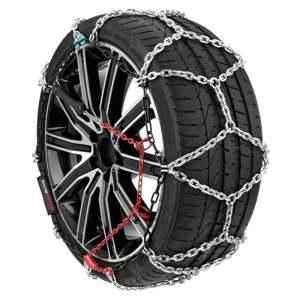
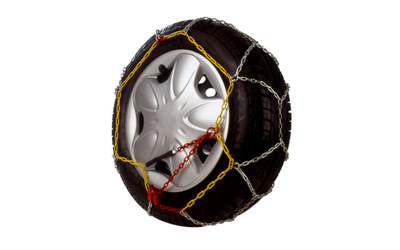
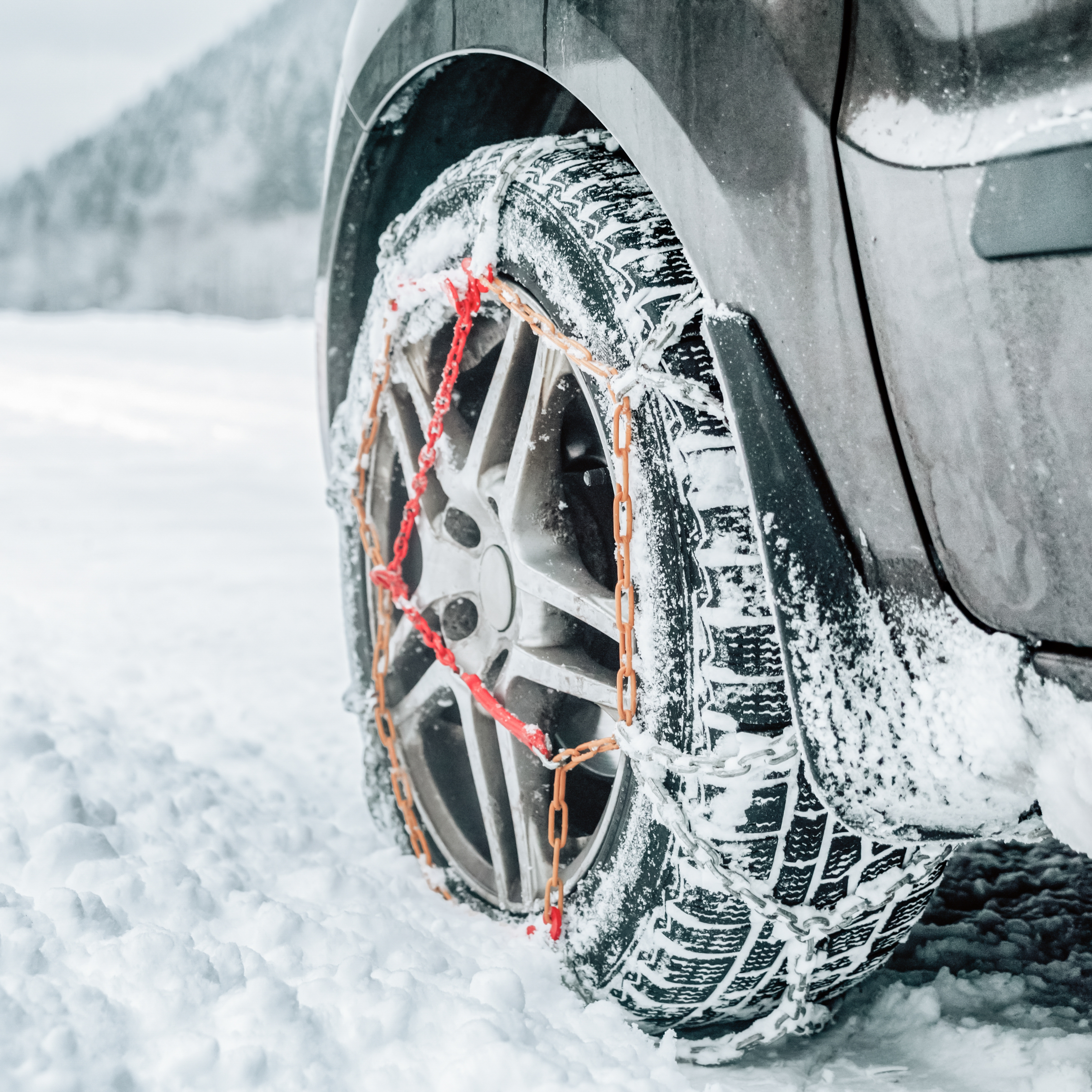
Winter storms can make driving extremely dangerous, but with the right tensioning systems and high-quality link chains, you can ensure better grip and safety on icy road conditions.For cold weather driving, diamond pattern chain-linked snow chains provide superior traction, preventing skidding and improving stability on snow-covered roads.Modern tensioning systems make it easier to install and adjust link chains, ensuring a secure fit even in the toughest winter storms and unpredictable road conditions.
How to Choose the Right Snow Chains
Selecting the right snow chains is crucial for safe winter driving. The primary factors to consider are the type of vehicle and tire size, as snow chains come in a wide range of sizes.
Snow chains must fit the tires precisely; otherwise, they won’t provide adequate traction and could damage the car or the tires. You can always check the vehicle manual to see which types of snow chains are compatible, as certain cars, like smaller SUVs or sports cars, do not allow all chain types.
Tire Size
The first and most important step is to know the exact tire size of your vehicle. This size (e.g., 205/55 R16) can be found on the sidewall of the tire. Snow chains are sized according to wheel dimensions, and the packaging always indicates which sizes they fit.
Types of Snow Chains: From Traditional to Automatic Chains
There are numerous types of snow chains available, each suited for different needs and conditions—ranging from classic metal chains to innovative automatic systems. Here’s an overview of the most popular snow chain types to help you find the ideal solution for your car and driving habits.
Metal Snow Chains:
Metal snow chains are the "classic" type most people think of when it comes to snow chains. They stand out for their durability and excellent traction, providing secure driving even under the harshest winter conditions. Made of steel, they are particularly robust and resistant to heavy snow and ice.
However, because they are heavier and more complex to install, they require more time and storage space. For drivers frequently traveling in extreme winter conditions who are willing to spend time on installation, metal snow chains are the best choice.
Plastic Snow Chains (Quick-Mount Chains):
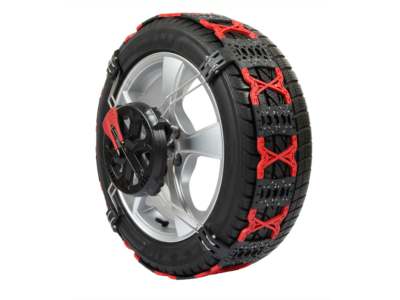
Plastic snow chains offer a lighter and simpler alternative to traditional chains, often referred to as "miracle snow chains." They are quick to install, and their flexible material is less likely to damage the car body or tires. They are rust-resistant, quieter during use, and more compact for storage.
However, plastic snow chains don’t provide the same level of traction as metal models, making them more suitable for milder snow and ice conditions. They are a convenient and practical choice for short-term use in moderate winter weather.
Textile Snow Chains (Snow Socks):
Textile snow chains, also known as "snow socks," are praised for their simplicity and ease of use. They are flexible, quiet, and quick to put on, making them ideal for drivers who don’t want to spend much time on installation. However, they are suitable only for short-term use as they wear out quickly on dry roads and offer less traction compared to metal chains.
For occasional trips on snowy roads, snow socks provide a convenient solution.
Self-Tightening Snow Chains:
Self-tightening snow chains are highly practical for winter driving because they are quick and easy to install. Their special mechanism eliminates the need for manual tension adjustments, making installation fast and convenient. However, these models are often more expensive due to their user-friendly design and advanced technology.
For drivers seeking maximum convenience and quick application, self-tightening snow chains are an excellent choice.
Traction Aids:
Traction aids are specifically designed for situations where the wheels are stuck in snow or ice, making it hard for the vehicle to move. They are compact, quick to install, and ideal for providing immediate traction in emergencies, such as getting out of a snowy parking spot or starting on an icy incline. They are generally placed only on the drive wheels and are intended for short-term use.
While they do not replace traditional snow chains, their simple design provides quick and practical assistance when other tools aren’t available. It’s a good idea to keep them in the car as a backup, especially during winter.
Snow Chains for Different Vehicle Types
Passenger Cars: A wide range of snow chains is available for passenger cars. They should fit precisely to ensure stability and safety on snowy or icy roads.
SUVs and Off-Road Vehicles: These vehicles require stronger, larger snow chains due to their heavier weight. Often, special, more robust models are needed to withstand the extra load.
Light Commercial Vehicles: For vans and light trucks that often carry heavy loads, extra-durable and heavy-duty snow chains are recommended. Robust metal chains or specialized high-performance models provide maximum safety.
What to Consider When Buying Snow Chains
Quality and Certifications: Look for products with CE or TÜV certification to ensure safety and durability.
Ease of Installation: Choose snow chains that are quick and easy to install. Check for labels like "simple one-step installation."
Accessories: Make sure all necessary components, such as tensioning devices and spare parts, are included.
Rules and Regulations for Snow Chains
International Regulations
In Europe, the use of snow chains is mandatory in several countries, such as Austria, Switzerland, and Italy, during certain periods or on roads marked with specific signs. If you’re driving in these countries during winter, always carry suitable snow chains.
When Should Snow Chains Be Installed?
On Snowy or Icy Roads: Snow chains are required when tires do not provide enough grip. They improve traction and enhance driving safety.
On Marked Road Sections: Signs indicating "Snow Chains Required" make their use mandatory. These signs mark particularly hazardous road sections.
Installation and Removal: Use snow chains only on snow or ice, as they can damage the road surface and the vehicle on dry pavement. Remove the chains when driving on cleared roads.
How to Use Snow Chains
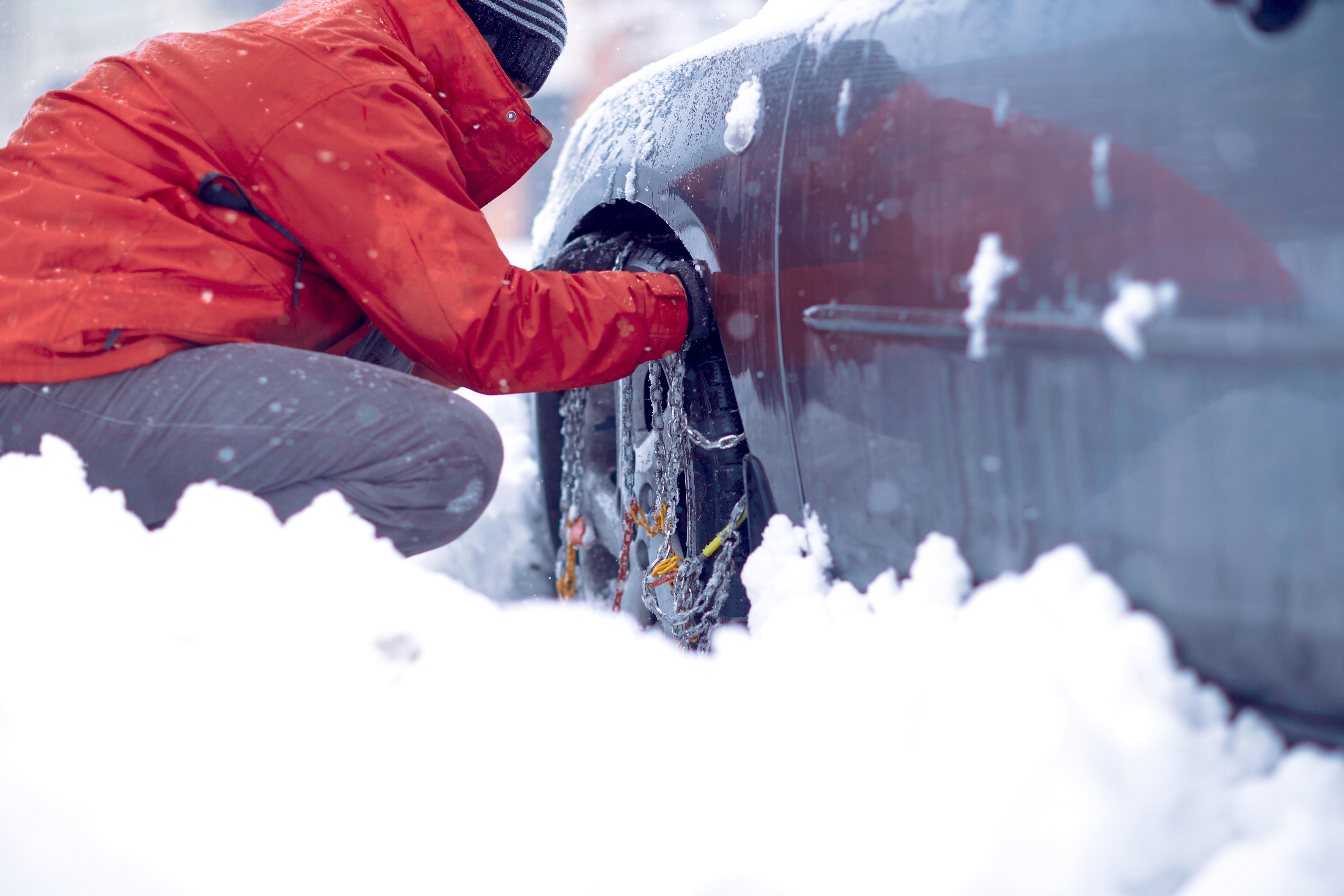
Applying snow chains isn’t complicated but can be challenging for inexperienced drivers. Follow these key steps:
Preparation: Stop at a safe, straight section of road. Turn on hazard lights and wear a safety vest.
Installation: Drape the chains over the tires and connect the fasteners. Check that the chains are tight and secure.
While Driving: After driving a few kilometers, stop and check the tension of the chains. Adjust as needed.
Conclusion
Choosing and using the right snow chains is crucial for winter driving safety. Follow the regulations, select the appropriate model for your vehicle, and adhere to installation guidelines. Well-chosen snow chains help not only to prevent accidents but also to comply with legal requirements.
Prepare for winter—check out AutoAZ’s range of snow chains and get equipped before the first snowfall!